A Brief History of Smartphones
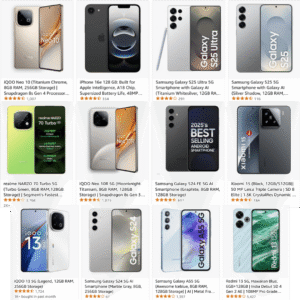

The evolution of smartphones has its roots in the early development of mobile communication devices. The narrative begins with the launch of the first mobile phones in the 1980s, which were primarily designed for voice communication and characterized by their bulky size, often referred to as “bricks.” This era marked a significant shift in communication technology, laying the groundwork for future innovations.
In 1992, IBM made a significant contribution to the mobile technology landscape with the introduction of the Simon Personal Communicator. This device is often recognized as the first smartphone, combining the functionality of a mobile phone with a PDA (Personal Digital Assistant). The Simon featured a touchscreen interface, email capability, and even applications—a precocious precursor to the smartphones we utilize today. Its release highlighted the potential for mobile devices to evolve beyond mere communication tools.
The early 2000s saw the emergence of influential companies like Nokia and BlackBerry, which played pivotal roles in advancing smartphone technology. Nokia’s devices became renowned for their durability and user-friendly interfaces, while BlackBerry focused on secure email services and physical keyboards, appealing especially to business professionals. These companies introduced features that would redefine mobile interactions, such as QWERTY keyboards and robust operating systems.
The revolution in smartphone technology, however, truly began with the launch of the Apple iPhone in 2007. This groundbreaking device combined an elegant design with an intuitive operating system (iOS) and the touch-based user interface, setting a new standard for smartphones. The iPhone transformed how users interact with technology, paving the way for countless applications and modern features that define current smartphones. This innovation marked a critical milestone in the history of smartphones, illustrating a seamless integration of communication, productivity, and entertainment within a single pocket-sized device.
Key Features of Modern Smartphones
Modern smartphones are characterized by a variety of features that enhance their functionality and user experience. One of the most significant advancements is touchscreen technology, which enables intuitive navigation and interaction. Capacitive touchscreens allow for multi-touch gestures, facilitating easy scrolling, zooming, and selection of applications. This feature has become a standard expectation among consumers, making devices more user-friendly and accessible.
Another defining characteristic of contemporary smartphones is their high-resolution cameras. With the proliferation of social media, the demand for high-quality photographs has surged. Today’s smartphones often include multiple lenses with capabilities ranging from wide-angle to telephoto, allowing users to capture stunning images and videos. The integration of advanced software for image processing also enhances these capabilities, producing professional-grade photographs that rival dedicated cameras.
Processing power is another vital aspect of modern smartphones. Equipped with powerful processors and ample RAM, these devices can seamlessly handle multitasking, gaming, and resource-intensive applications. This computing power is essential for running complex apps and games that require rapid data processing. Coupled with enhancements in battery life, which now often exceeds a full day of regular use, users can enjoy their devices without frequent interruptions for recharging.
The selection of mobile operating systems plays an essential role as well, primarily dominated by iOS and Android. Each offers distinct features and app ecosystems, influencing user experience and preference. Furthermore, advancements in storage capacity have allowed smartphones to accommodate greater amounts of data, catering to users’ needs for music, videos, and applications. Additionally, with the advent of 5G technology and Wi-Fi 6 connectivity, smartphones can achieve faster data transfer speeds, improving everything from streaming services to video calls, thus enhancing overall user experience significantly.
The Impact of Smartphones on Society
The advent of smartphones has indelibly transformed societal dynamics, affecting how individuals communicate, interact, and engage with the world around them. With the integration of various communication applications, the smartphone has enabled instant connectivity across vast distances, allowing for real-time conversations through text, voice, or video calls. This seamless communication fosters relationships and enriches social interactions, as users can remain connected with family, friends, and colleagues, regardless of geographical barriers.
Moreover, the rise of social media platforms that are predominantly accessed via smartphones has significantly altered social interaction norms. Platforms such as Facebook, Twitter, and Instagram have revolutionized the way people share experiences and information, leading to an increased sense of community among users. These platforms not only enhance personal connections but also serve as vital outlets for self-expression and activism, thereby enabling relationships that transcend traditional boundaries.
Smartphones have also been instrumental in the emergence of the gig economy, where various job opportunities are available through dedicated applications. This newfound flexibility allows individuals to engage in work that complements their lifestyles, thus promoting income diversity and job accessibility. As a result, many have turned their smartphones into essential tools for entrepreneurship, leveraging apps for services, delivery, and freelance gigs.
However, the rapid proliferation of smartphones has led to several downsides that warrant consideration. Privacy concerns have escalated, with users often unaware of the extent of data collection by various applications. Furthermore, an increasing reliance on smartphones may lead to digital addiction, affecting mental health and productivity levels. Lastly, the ease of digital communication may negatively impact face-to-face interactions, potentially diminishing interpersonal skills among younger generations.
Thus, while smartphones have revolutionized numerous aspects of daily life, it is crucial to navigate the complexities that accompany such advancements. Social transformation driven by technology invites both opportunities and challenges that society must address collectively.
The Future of Smartphones
The future of smartphones is poised to be an exciting amalgamation of advanced technologies and innovative design, reshaping the way we interact with our devices. One promising area is the potential for foldable smartphones, which offer the dual benefits of portability and enhanced screen real estate. As manufacturers refine hinge mechanisms and materials, we may soon see devices that seamlessly transition from compact phones to expansive tablets, enabling greater functionality for multimedia consumption and productivity.
Another significant advancement lies in the integration of artificial intelligence (AI). Future smartphones will likely leverage AI to enhance user experience through personalized interfaces, predictive text, and intelligent assistive features. This could result in smartphones that learn and adapt to user habits, providing tailored suggestions for apps, reminders, and even health monitoring based on biometric data. As AI technology continues to evolve, its application within smartphones is expected to deepen, fostering a more intuitive interaction between users and devices.
Additionally, the rise of augmented reality (AR) applications suggests a transformative shift in how smartphones are used for gaming, education, and commerce. With advancements in AR technology, future smartphones may integrate immersive experiences that blend digital content with the physical world, facilitating new ways to engage with our surroundings. This iterative enhancement in smartphone capabilities invites a redefinition of users’ daily activities as they embrace continuous interactive experiences.
Furthermore, emerging technologies such as quantum computing could revolutionize smartphone performance, enabling unprecedented processing power and security. As consumer preferences shift towards eco-consciousness, manufacturers are also expected to emphasize sustainable practices, such as using recycled materials and reducing energy consumption during production. These trends will not only cater to consumer demands but also align the smartphone industry with global environmental goals, paving the way for a more resilient and responsible future.

Chanel Rouge Coco Shine Color Lipshine: A Review of C7702
Introduction to Chanel Rouge Coco Shine buy now on amazon The Chanel Rouge Coco Shine…

HUDA NEW 88 EYESHADOW COLOR PLATE LD7539
Overview of the Huda Beauty 88 Eyeshadow Color Plate LD7539 buy now on amazon The…
CHANEL ROUGE COCO SHINE COLOR LIPSHINE . C7702
Introduction to Chanel Rouge Coco Shine C7702 BUY NOW ON AMAZON Chanel Rouge Coco Shine…

BIYA MAKEUP 38 COLOURS EYESHADOW AND HIGHLIGTER PALETTE. 01
Introduction to Biya Makeup BUY NOW ON AMAZON Biya Makeup is a contemporary cosmetics brand…

BIYA MAKEUP 38 COLOURS EYESHADOW AND HIGHLIGTER PALETTE. 01
Introduction to the Biya Makeup Palette buy now on amazon Both new and seasoned makeup…

CLAMY 50 Eyeshadow, Eyebrow, 2 Blusher, 2 Compact Powder, 6 Lipgloss Makeup Kit. 01
Introduction to Clamy 50 Makeup Kit CLAMY 50 Eyeshadow Makeup Kit is elegantly designed for…

Huda Matte me Lipstick, 24 Hours Long Lasting, Waterproof, Nude Colour 35004
Introduction to Huda Matte Me Lipstick BUY NOW ON AMAZON Huda Matte Me Lipstick is…

Huda Matte me Rich Lipstick, 24 Hours Long Lasting, Waterproof, Nude Colour
Introduction to Huda Matte Me Rich Lipstick BUY NOW ON AMAZON Huda Beauty has established…

Chanlanya Lipstick: Experience 24-Hour Long-Lasting Waterproof Color
Introduction to Chanlanya Lipstick BUY ON AMAZON Chanlanya Lipstick has made a notable impact in…