Understanding USB Charging Cables
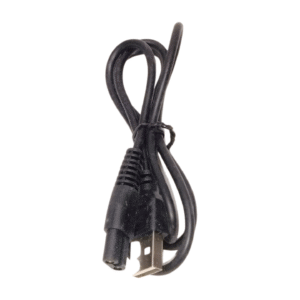
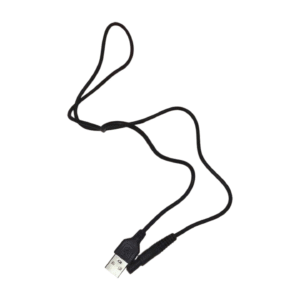
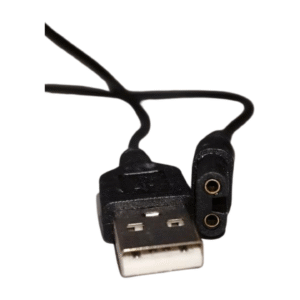
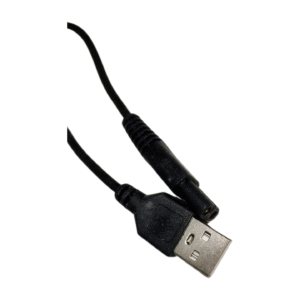
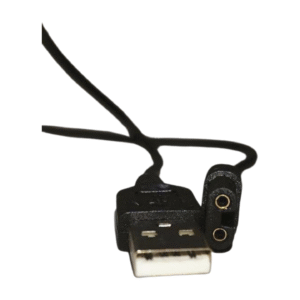
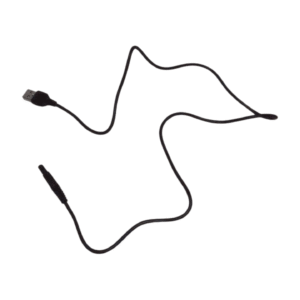
Universal Serial Bus (USB) technology has significantly evolved since its inception in the mid-1990s, providing a standardized method for data transfer and power delivery across a multitude of devices. Today, there are various types of USB charging cables that cater to diverse needs, each designed with specific functions and compatibility in mind. In this section, we delve into the major USB standards: USB-A, USB-B, USB-C, and Micro USB.
USB-A is the original standard that most people are familiar with; it is rectangular and has been widely adopted for many devices, including computers, chargers, and peripherals. USB-B connectors are commonly used for printers and larger devices, featuring a square shape that is easily distinguishable. However, with the advancements in technology, the introduction of USB-C has revolutionized the landscape. This connector is smaller, symmetrical, and capable of transmitting data and power at higher speeds, making it the preferred choice for smartphones, laptops, and tablets today.
Micro USB was a popular choice for mobile devices before the widespread adoption of USB-C. Despite its reduced usage in new devices, it is still relevant due to its compatibility with older smartphones and various accessories. When it comes to data transfer speeds, USB standards have progressed, with USB 2.0 typically offering up to 480 Mbps, USB 3.0 capable of reaching 5 Gbps, and USB 3.1 and USB 3.2 providing even higher capacities. Beyond data, the power delivery capabilities of these cables have also improved, with USB-C supporting up to 100 watts, allowing for fast charging of devices.
Understanding the differences among these USB charging cables is essential for consumers seeking compatible solutions for their devices. Each type of connector and its inherent specifications plays a significant role in your device’s overall performance and charging efficiency.
Choosing the Right USB Charging Cable for Your Devices
When selecting a USB charging cable, compatibility stands out as the most critical factor. Different devices may require specific types of connectors, such as USB-A, USB-B, USB-C, or Micro USB. It is essential to ensure that the cable’s connectors match the ports of your devices. For instance, while many older smartphones use Micro USB, newer models, including many tablets and laptops, may utilize USB-C for faster charging and data transfer.
Length is another consideration in choosing the right USB charging cable. Cables come in various lengths, typically ranging from one to ten feet. When selecting a cable, think about where you will predominantly use it. Shorter cables are often more convenient for travel, while longer cables are beneficial for use at home or in spaces where a power outlet may be farther from the device. However, unnecessarily long cables can lead to increased resistance, which may impact charging speed.
It is vital to distinguish between cables designed specifically for charging and those intended for data transfer. Many cables serve dual purposes, but using a cable primarily designed for data can result in slower charging. Assess the specifications associated with the cable to ensure it meets your needs for either quick charging or efficient data transfer.
Moreover, the quality of the cable should not be overlooked. High-quality cables not only enhance durability but also provide better performance. Consider cables that feature reinforced connectors and robust insulation to withstand wear and tear. Brand reputation can also serve as an indicator of quality; established manufacturers often adhere to higher standards in cable design. By considering compatibility, length, intended use, and build quality, you can make a more informed decision when purchasing a USB charging cable for your devices.
Common Issues with USB Charging Cables and How to Solve Them
USB charging cables are essential tools for powering our devices; however, they can encounter a variety of issues that may hinder performance. Among the most common problems are slow charging speeds, connection failures, and cable fraying. Each of these issues can significantly impact your overall experience and device usability.
Slow charging is often due to inadequate cable quality or compatibility issues between the cable and the device. To address this, first ensure you are using a high-quality USB cable that is designed for your specific device. Additionally, assess the power source; a lower output charger can lead to prolonged charging times. If you experience slow charging, try using a different charger or power outlet to determine if the issue lies with the cable or the power source.
Connection failures can occur when the USB cable is not properly connected to the device or charging port. Start by checking for any debris in the port that could obstruct connection. Cleaning the port gently can resolve this problem. If the cable does not click securely into place, this may indicate wear on the connectors—consider replacing the cable if it continually fails to connect. Testing the cable with another device can also help isolate whether the problem is with the cable or the device itself.
Cable fraying is a frequent issue that can diminish both functionality and aesthetic appeal. To prevent this, handle the cables with care, avoiding excessive bending or pulling. It is advisable to store cables properly when not in use, perhaps by using cable organizers that prevent tangling and reduce strain on the connectors. Regularly inspecting cables for wear and tear allows for early intervention, ensuring they remain effective for an extended period.
Implementing these troubleshooting techniques can significantly improve the reliability of your USB charging cables, ultimately enhancing your device charging experience.
Future Innovations in USB Charging Technology
The landscape of USB charging technology is poised for significant evolution, driven by rapid advancements in electronics and the increasing demands of consumers. One noteworthy trend is the continual development of fast charging technologies. Manufacturers are innovating to enhance the speed at which devices charge, with USB Power Delivery (USB PD) becoming a pivotal standard. This technology enables the transmission of higher power levels through USB connections, allowing devices such as smartphones, laptops, and tablets to achieve quicker charging times. The integration of USB PD within more electronic gadgets is expected, facilitating user convenience and enhancing overall device functionality.
Moreover, the advent of wireless charging solutions represents another promising innovation in the charging realm. Although wireless charging has been around for some time, improvements in efficiency and compatibility with various devices are likely to become a focal point. The upcoming iterations of wireless charging technology may introduce quicker charging capabilities while reducing energy loss during transmission. As awareness and demand for more seamless charging experiences continue, the relevance of such technologies will become paramount.
Looking further ahead, the evolution of USB standards will reflect the growing influence of the Internet of Things (IoT). The interconnected nature of smart devices necessitates a robust and adaptable charging solution capable of accommodating an array of devices with varying power requirements. Future USB standards may incorporate features that prioritize power allocation dynamically, ensuring that all connected devices receive adequate charging without compromising performance. This adaptability will be crucial as the proliferation of smart home devices and wearables continues to integrate into daily life, underscoring the importance of USB charging advancements.
In summary, the future of USB charging technology is rich with potential innovations that promise to enhance the user experience through faster charging capabilities and greater device compatibility. As the landscape evolves, embracing these advancements will be essential for both consumers and manufacturers alike.
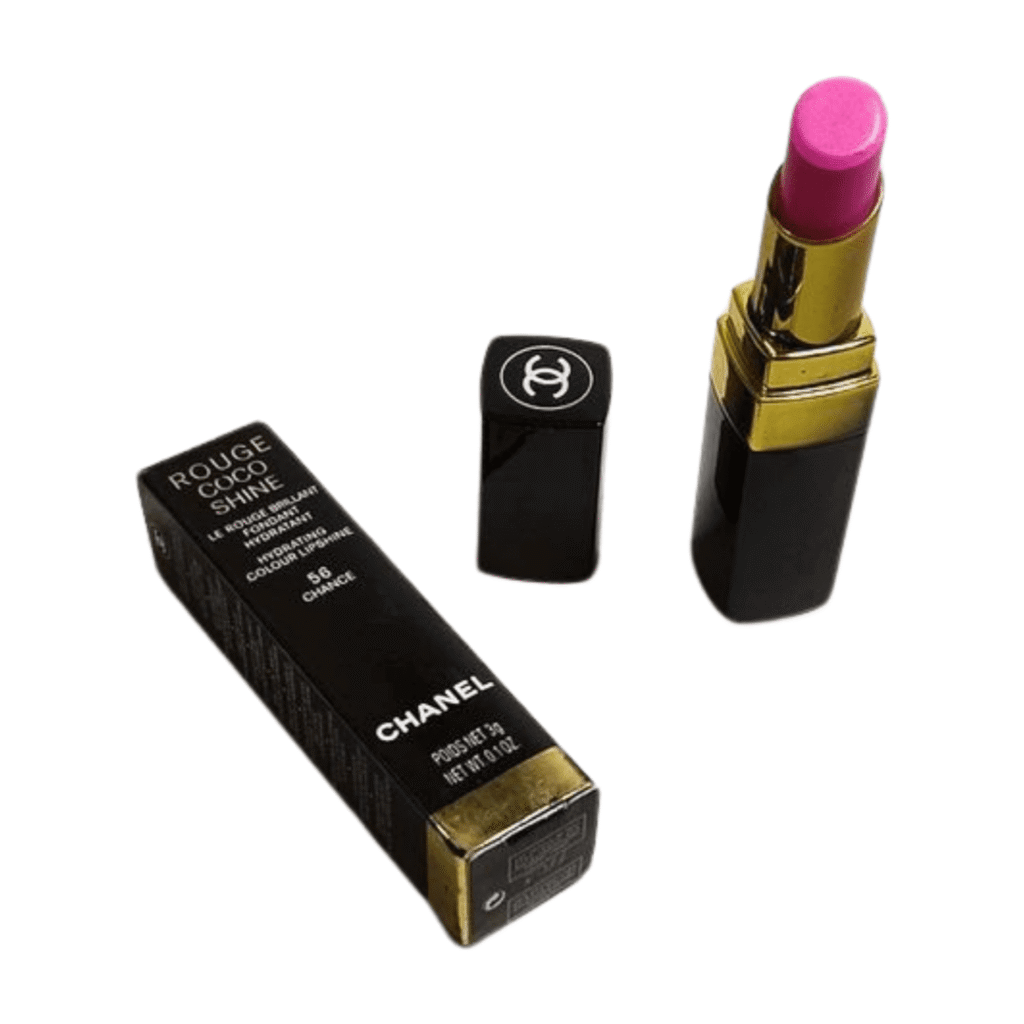
Chanel Rouge Coco Shine Color Lipshine: A Review of C7702
Introduction to Chanel Rouge Coco Shine buy now on amazon The Chanel Rouge Coco Shine…

HUDA NEW 88 EYESHADOW COLOR PLATE LD7539
Overview of the Huda Beauty 88 Eyeshadow Color Plate LD7539 buy now on amazon The…
CHANEL ROUGE COCO SHINE COLOR LIPSHINE . C7702
Introduction to Chanel Rouge Coco Shine C7702 BUY NOW ON AMAZON Chanel Rouge Coco Shine…
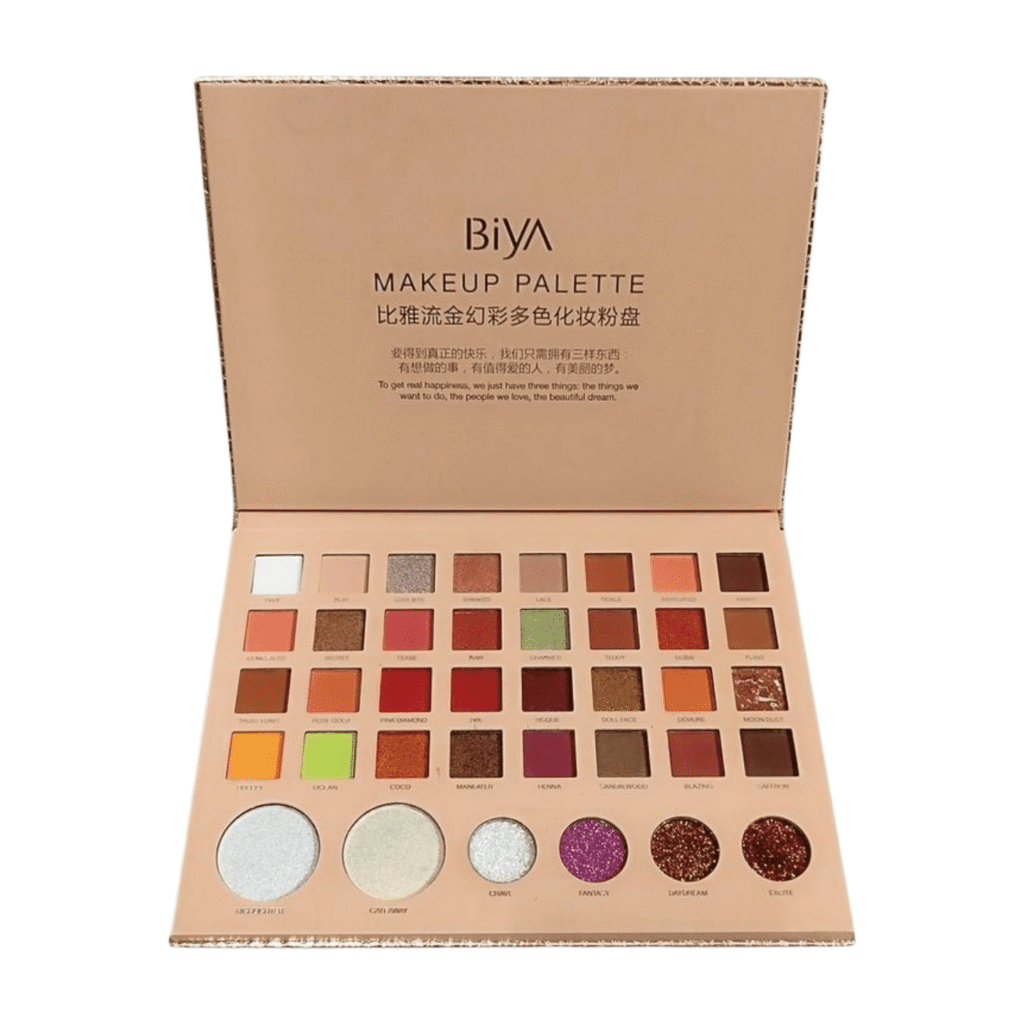
BIYA MAKEUP 38 COLOURS EYESHADOW AND HIGHLIGTER PALETTE. 01
Introduction to Biya Makeup BUY NOW ON AMAZON Biya Makeup is a contemporary cosmetics brand…
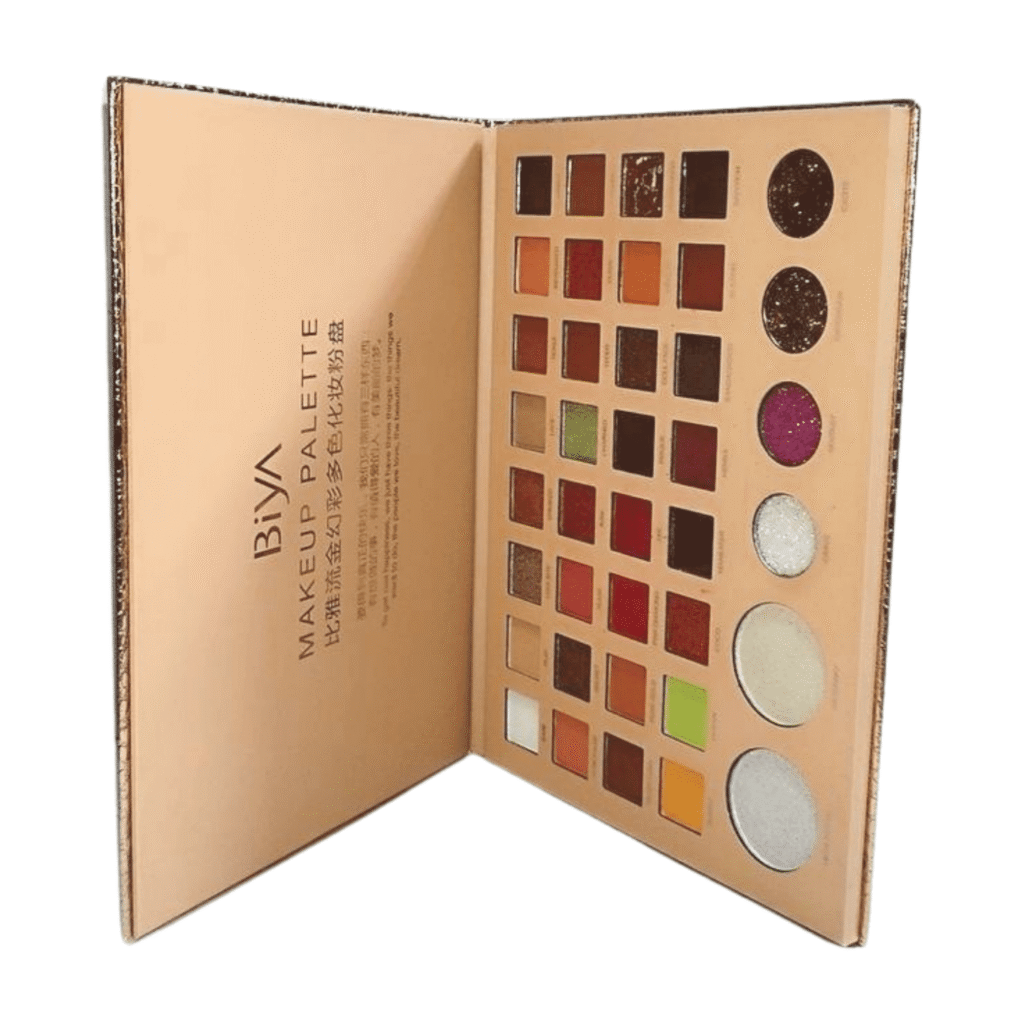
BIYA MAKEUP 38 COLOURS EYESHADOW AND HIGHLIGTER PALETTE. 01
Introduction to the Biya Makeup Palette buy now on amazon Both new and seasoned makeup…

CLAMY 50 Eyeshadow, Eyebrow, 2 Blusher, 2 Compact Powder, 6 Lipgloss Makeup Kit. 01
Introduction to Clamy 50 Makeup Kit CLAMY 50 Eyeshadow Makeup Kit is elegantly designed for…
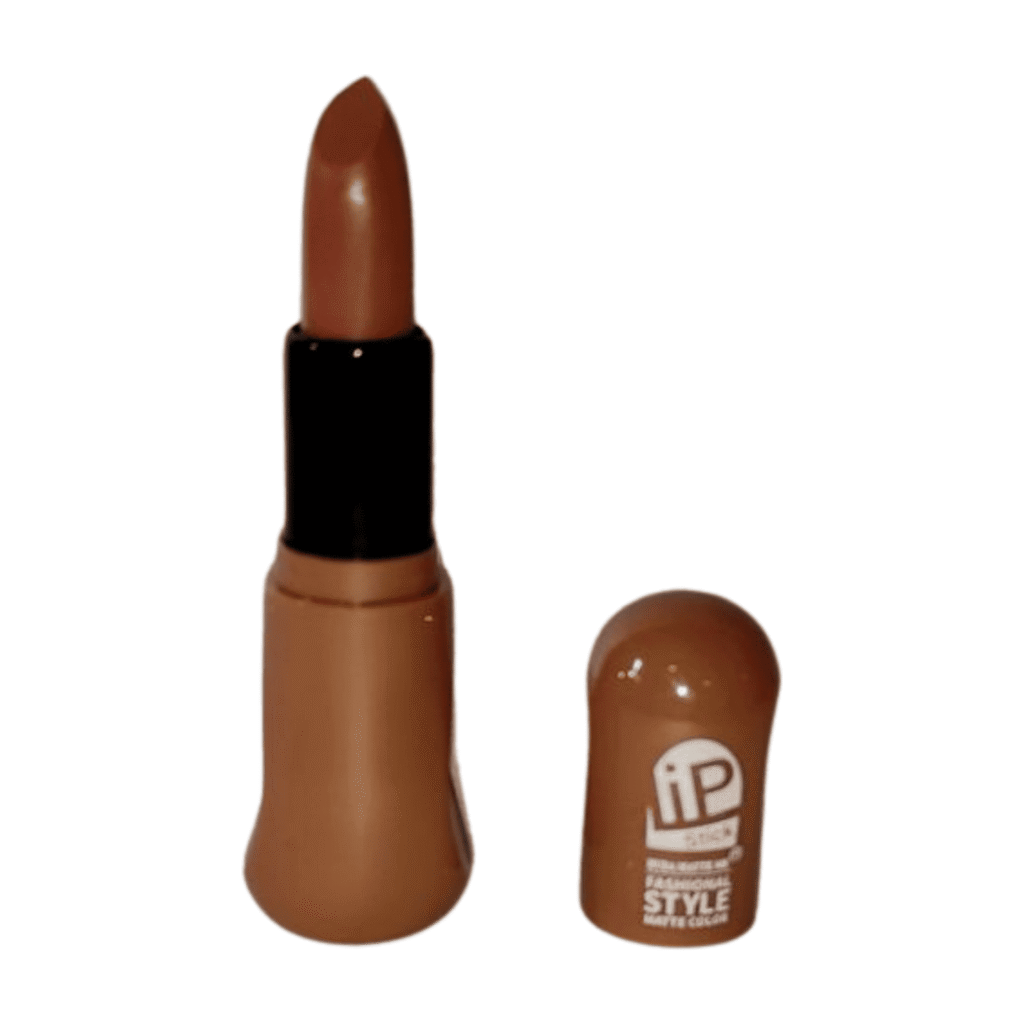
Huda Matte me Lipstick, 24 Hours Long Lasting, Waterproof, Nude Colour 35004
Introduction to Huda Matte Me Lipstick BUY NOW ON AMAZON Huda Matte Me Lipstick is…
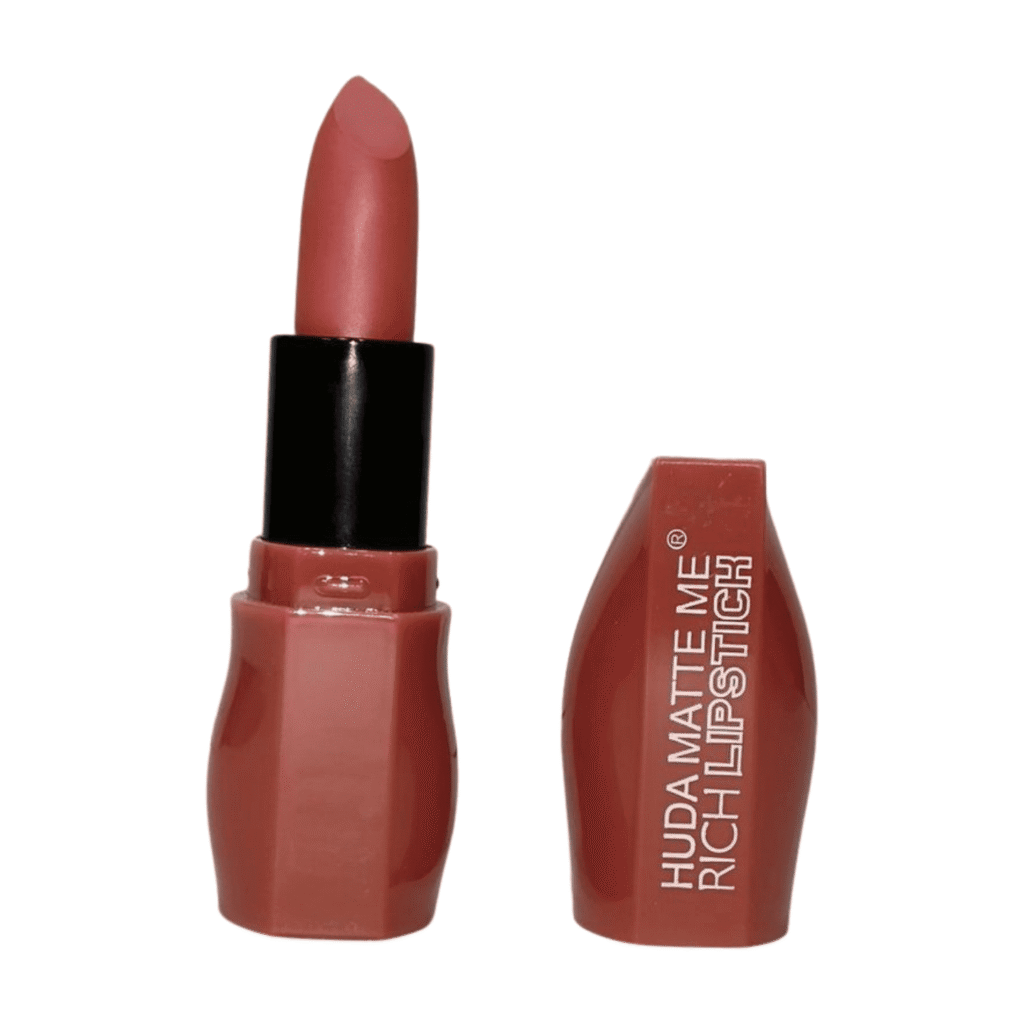
Huda Matte me Rich Lipstick, 24 Hours Long Lasting, Waterproof, Nude Colour
Introduction to Huda Matte Me Rich Lipstick BUY NOW ON AMAZON Huda Beauty has established…
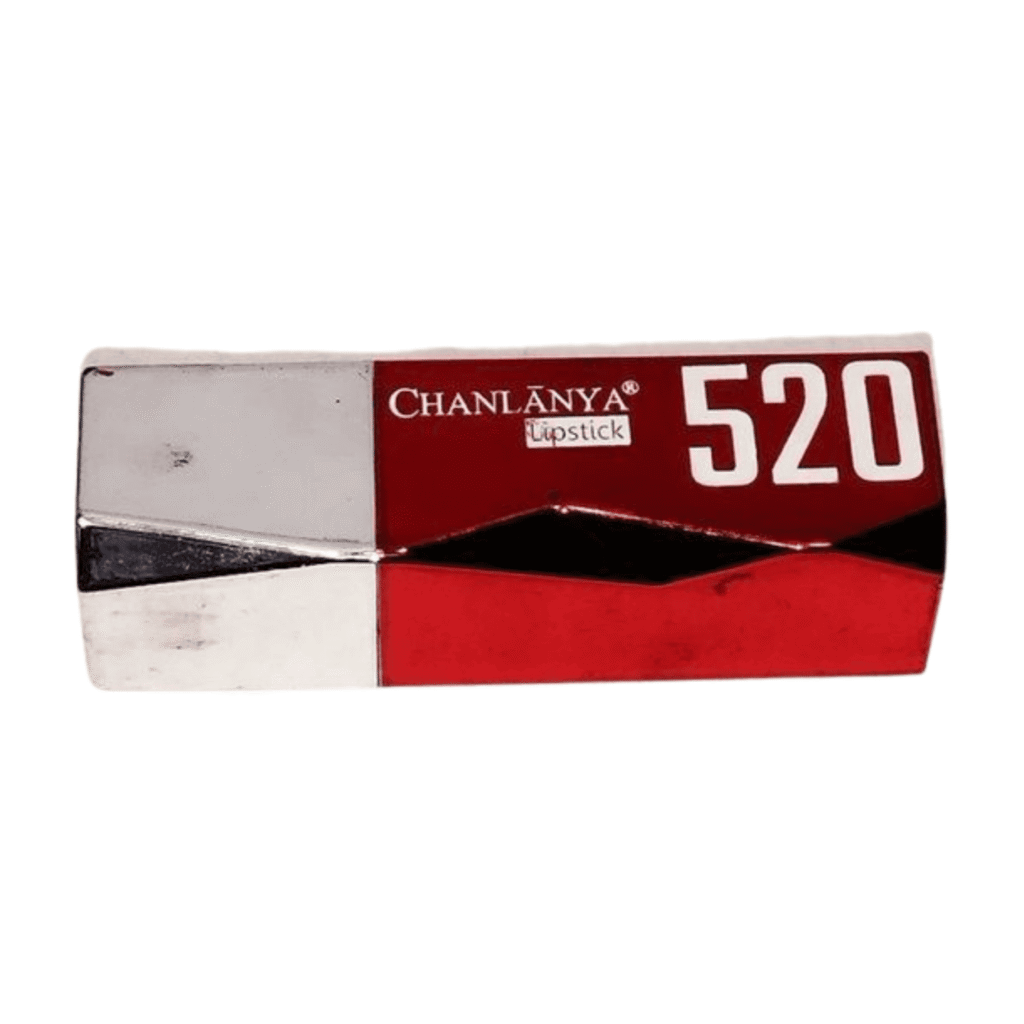
Chanlanya Lipstick: Experience 24-Hour Long-Lasting Waterproof Color
Introduction to Chanlanya Lipstick BUY ON AMAZON Chanlanya Lipstick has made a notable impact in…